The NCDC says every identified contact of Nigeria’s imported Bundibugyo Ebola case has completed the mandatory 21-day monitoring period without developing the disease. But health authorities have warned that the outbreak cannot yet be officially declared over.
Nigeria has completed the 21-day monitoring period for all 62 people identified as contacts of its imported Bundibugyo virus disease case, with no secondary transmission detected, marking a significant development in the country’s public-health response.
The Nigeria Centre for Disease Control and Prevention (NCDC) announced that the last identified contact completed the monitoring period and was discharged on Friday, November 13.
The development means none of the 62 identified contacts developed the disease during the follow-up period.
However, the announcement does not mean Nigeria has officially ended its Ebola outbreak response. Health authorities say the country must still complete the required 42-day countdown before an official declaration that the outbreak has ended can be made.
The distinction is important: Nigeria has recorded no secondary transmission from the imported case among the identified contacts, but the national response remains active.
What happened to the 62 contacts?
The 62 individuals were identified following Nigeria’s confirmation of an imported Bundibugyo virus disease case on October 20, 2026.
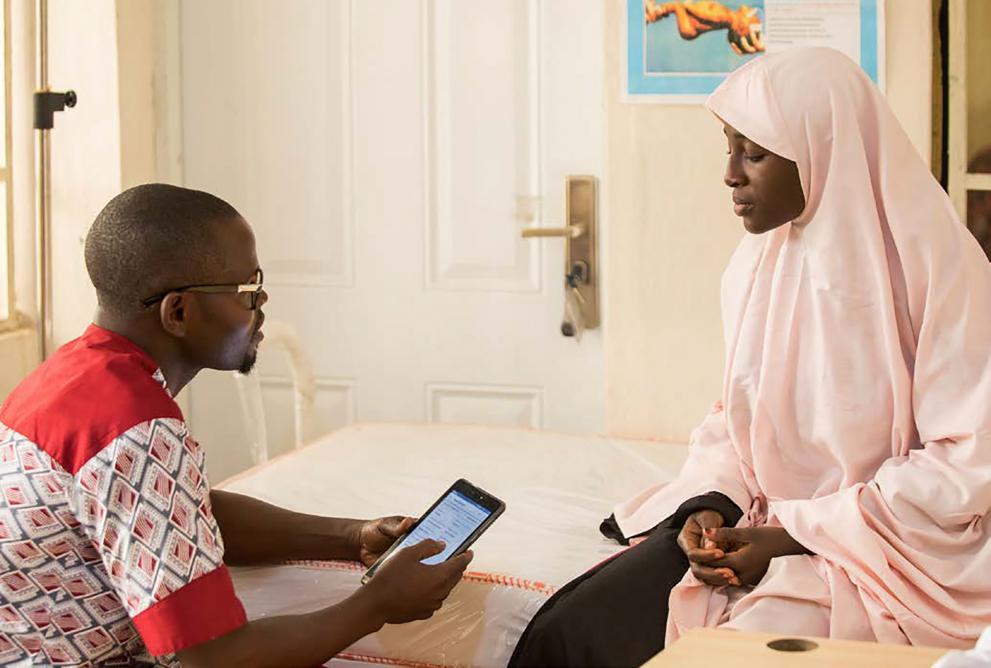
According to the NCDC, all identified contacts were monitored for 21 days, reflecting the maximum incubation period used for follow-up.
During the monitoring period, 13 contacts reported fever or other non-specific symptoms. However, all 13 tested negative for the virus.
The NCDC also reported that seven Ebola alerts recorded across five Nigerian states over the preceding three weeks were investigated, with all seven testing negative.
These findings are important because symptoms such as fever can occur in several illnesses and do not, by themselves, establish an Ebola infection. Laboratory testing and epidemiological investigation are necessary to determine whether a suspected case is actually infected.
Reuters independently reported the completion of monitoring, citing the NCDC’s announcement.
How did the imported case enter Nigeria?
Nigeria confirmed the imported case on October 20 after a 42-year-old woman with a travel history from Uganda arrived in Abuja on October 3 through Addis Ababa, Ethiopia.
She developed symptoms on October 7 and was admitted to a private health facility on October 11.
The NCDC was notified on October 19, and laboratory testing confirmed the infection the following day.
The patient was medically evacuated to Switzerland on October 26 for further treatment. Reuters reported that she recovered fully and was discharged from hospital on November 11.
The case was Nigeria’s first confirmed Ebola infection in more than a decade, according to Reuters.
Why Nigeria cannot yet declare the outbreak over
One of the most important details in the latest announcement is that completing the 21-day monitoring of identified contacts is not the same as formally ending an outbreak.
According to the NCDC’s announcement reported by Reuters, the country must complete a 42-day countdown from the recovery or departure of the last confirmed patient before an official end-of-outbreak declaration can be made under the relevant World Health Organisation protocol.
This additional period is intended to provide further assurance that no new cases emerge after the last confirmed patient has recovered or left the country.
Consequently, the latest development represents a major milestone in Nigeria’s response, not a formal declaration that the outbreak is over.
The NCDC’s emergency response arrangements remain important while the country completes the remaining surveillance and preparedness requirements.
Why the development matters beyond Abuja
Although the confirmed imported case was recorded in the Federal Capital Territory, the response has implications for the wider Nigerian public-health system.
Contact tracing, laboratory testing, surveillance at points of entry, infection prevention and rapid investigation of suspected cases all require coordination between national and state health authorities.
ALSO READ: Nigerian Navy Uncovers 117,000 Litres of Suspected Stolen Crude in Rivers
The seven alerts investigated across five states demonstrate why surveillance cannot stop simply because the identified contacts have completed their monitoring period.
For Nigerians, the important lesson is that early reporting and prompt investigation remain essential whenever a suspected infectious-disease case emerges.
The World Health Organisation’s November 6 situation report also emphasised the need for continued regional preparedness. At that reporting date, sustained Bundibugyo virus disease transmission remained a serious concern in the Democratic Republic of the Congo, even though no new cases had been reported from Nigeria or Kenya in the period covered by that report.
Nigeria’s progress must therefore be understood alongside the wider regional situation.
What should Nigerians do?
The latest announcement is reassuring, but Nigerians should continue to rely on verified public-health information rather than rumours and unconfirmed social-media messages.
People should:
- Follow official health advisories issued by the NCDC and relevant state health authorities.
- Avoid spreading unverified claims about suspected Ebola cases or alleged outbreaks.
- Seek prompt medical attention for concerning symptoms, particularly where there has been a credible exposure risk.
- Avoid direct contact with the blood and bodily fluids of anyone suspected or confirmed to have Ebola.
- Contact the NCDC through its official channels when they have credible information about a suspected case.
The NCDC’s public guidance identifies its toll-free line as 6232. Anyone who believes they may have had a relevant exposure should contact the agency and follow its instructions rather than travelling to a crowded healthcare facility without first seeking guidance.
Ebola is not spread through ordinary casual contact with people who have no symptoms. Accurate information is therefore essential to preventing unnecessary fear and discrimination.
What happens next?
Nigeria’s next major milestone is completion of the 42-day countdown required before an official end-of-outbreak declaration can be made.
Until that process is completed and the relevant authorities issue a formal announcement, the country’s response should be regarded as ongoing.
The completion of monitoring for all 62 contacts is an encouraging result for the NCDC, health workers and other responders involved in the exercise.
But the real test is whether surveillance, preparedness and rapid response remain effective throughout the remaining period.
For now, the confirmed position is clear: all 62 identified contacts completed their 21-day monitoring, none developed the disease, and no secondary transmission was detected. Nigeria has made important progress, but the Ebola outbreak has not yet been officially declared over.
NaijaGistToday will continue to follow official NCDC and WHO updates and report any verified change in Nigeria’s outbreak status.
Sources and further reading
- Nigeria Centre for Disease Control and Prevention (NCDC): Nigeria Ebola outbreak information and situation updates.
- Reuters, November 13, 2026: Nigeria ends 21-day Ebola contact monitoring with no secondary transmission.
- World Health Organisation, November 6, 2026: Ebola disease caused by Bundibugyo virus — Democratic Republic of the Congo, Kenya and Nigeria.
- The Punch, November 14, 2026: Ebola: WHO hails Nigeria as 62 contacts complete monitoring, no new cases recorded.